
How to Build a Hospitality Brand That Attracts Premium Guests (Step by Step)
BRANDINGWEB DESIGN
3/16/202610 min read
Most hospitality properties lose premium guests before those guests ever visit the booking page. Not because the property isn't good enough, but because the brand doesn't communicate that it is. Your cabin, boutique hotel, or eco-lodge could be exceptional, but if your visual identity, website, and guest communication look like every other listing on Airbnb, you are training the market to evaluate you on price. That is the single most expensive branding mistake in hospitality, and it is far more common than owners realise.
The Real Cost of Not Having a Brand
When a guest can't immediately see why your property is worth more, they won't pay more. It's that direct. A traveller searching for a weekend cabin doesn't open 15 tabs to read every review and compare thread counts. They make a snap judgement based on visual credibility and perceived value within the first few seconds of landing on your page or listing. If that first impression doesn't say "this is worth $450 a night," no amount of amenity descriptions will save the conversion.
The consequence isn't just lower nightly rates. It's a compounding effect on your entire business. When you attract price-sensitive guests, you attract guests who leave more critical reviews, who push back on your policies, who book only during peak season when they have no other choice, and who never return. Premium guests are less price-sensitive, more loyal, more forgiving of minor imperfections, and far more likely to refer others. The difference in lifetime customer value between these two segments is enormous, and it is determined largely by your brand before they ever book.
There is also the OTA dependency problem. If your property lives and dies on Airbnb or Booking.com, you are renting your guests from a platform. You don't own the relationship, you can't market to those guests directly, and you're competing purely on price because OTAs reduce every property to a grid of thumbnails and star ratings. A brand is how you escape that grid. It's how you become a destination in your own right, the kind of place guests search for directly, book directly, and return to directly.
Step One: Define Your Position Before You Design Anything
Brand position is the most strategically important and most commonly skipped step in hospitality branding. Operators jump straight to logos and colour palettes, which is the equivalent of building a house without a foundation. Before any visual work begins, you need a brutally clear answer to one question: what kind of guest do you exist for, and what do they specifically come to you for?
This is not a vague mission statement. It's a precise positioning decision with real commercial implications. Consider two cabin operators in the same region of the Pacific Northwest. One brands itself around solitude and digital detox: no wifi, no TV, fire pits, guided foraging walks. The other brands itself around remote luxury: high-speed internet, chef-stocked pantry, Peloton, heated floors. Both can command $350+ per night. But they are speaking to entirely different guest archetypes with different motivations, different search behaviours, and different price tolerances. If either property tries to appeal to both, they lose the sharpness that justifies the premium.
Eco-lodges face this challenge acutely. A lodge in Costa Rica or Bali can attract adventure travellers, wellness retreaters, digital nomads, or sustainability-focused couples, and the brand experience required to convert each of these segments is meaningfully different. The properties that command premium rates are the ones that made a deliberate choice. They are not trying to be everything. They are trying to be exactly right for someone specific, and every element of the brand, from the name to the imagery to the language on the booking page, reinforces that singular position.
Positioning is a subtraction exercise. The more narrowly you define who your ideal guest is, the more powerfully your brand speaks to them, and the less you have to compete on price with properties that are trying to serve everyone.
To define your position, answer these three questions with genuine specificity. Who is your guest and what is the occasion? Not "couples," but "couples in their late 30s, spending a milestone anniversary, who prioritise privacy and sensory comfort over activities." What is the core emotional promise of your property? Not "a beautiful stay," but the specific feeling a guest should have when they wake up on their second morning. And why can't they get that feeling anywhere else nearby? If you can't articulate the answer to that last question, guests certainly won't be able to feel it, and they will default to comparing you on price.
Step Two: Build a Visual Identity That Earns Premium Perception
Once position is clear, the visual identity is how you make it visible. And the standard in boutique hospitality is high. Premium guests interact with brands like Soho House, Ace Hotel, and Six Senses frequently enough that their visual literacy is sharp. Generic logos, stock photography, and template-based websites read as amateur immediately to this segment. The visual identity needs to communicate quality, intentionality, and distinctiveness before a single word is read.
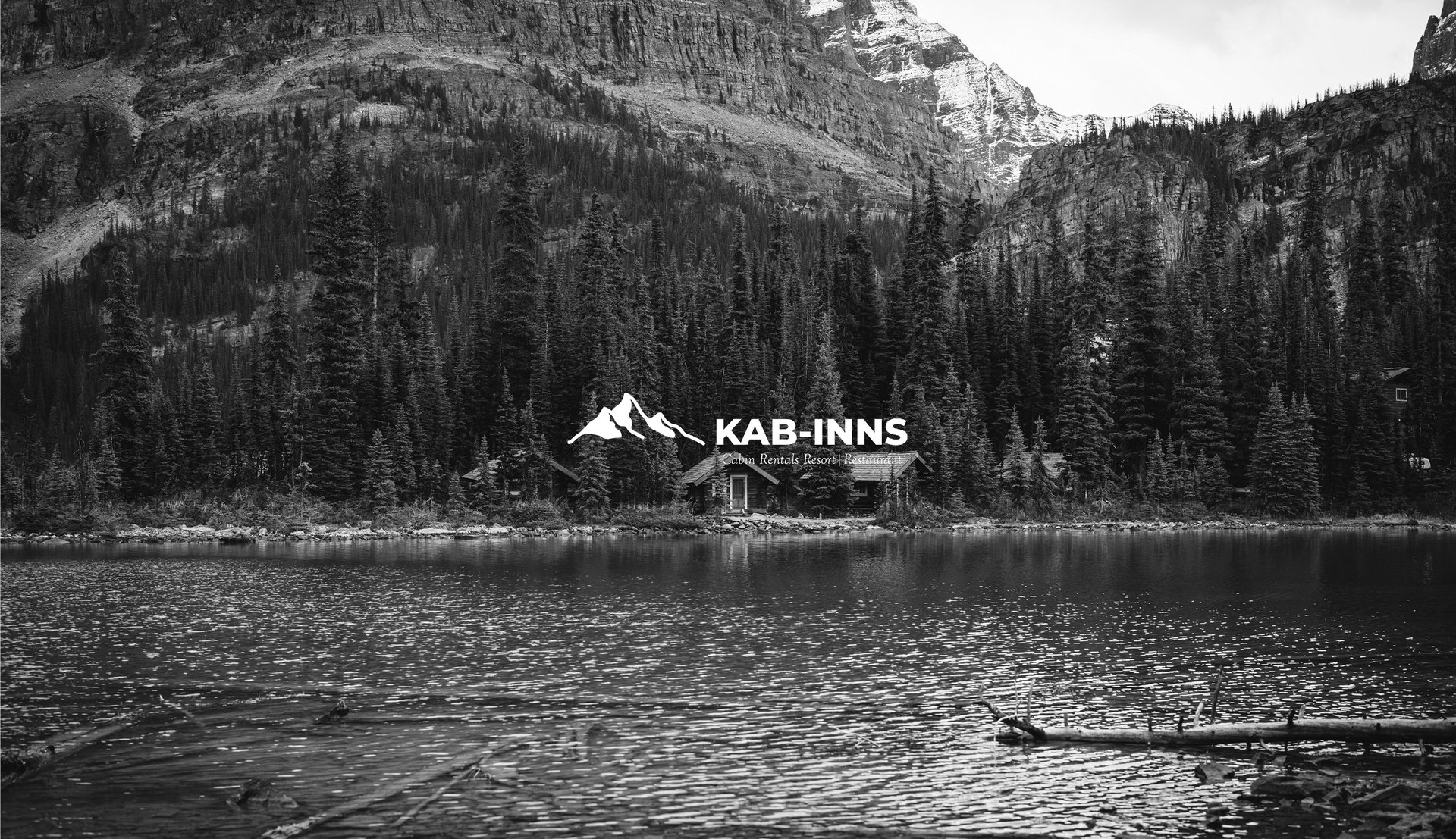
Your logo is not just a badge. It's the first signal of category. A wordmark built with a refined serif typeface, slightly tracked out, communicates something entirely different from a badge logo with a pine tree icon. Neither is inherently better, but both send category signals. The question is whether your logo signals the category your ideal guest expects. A high-design boutique hotel in Lisbon and a rustic off-grid cabin in Montana should have logos that feel like they belong in their specific world, not like they were pulled from the same template library.
Many boutique operators underestimate the visual weight of a well-designed logo. It appears on the website header, booking confirmation emails, physical welcome materials, merchandise, and social media. Every touchpoint is an opportunity to reinforce or undermine the perceived value of the experience. A logo that looks polished and considered creates a halo effect across the entire guest journey.
Colour, typography, and texture carry more brand meaning than most operators realise. Colour communicates mood and category instantly. Earthy ochres and deep forest greens say something different from coastal navy and warm ivory, and both are different from the bold graphic palettes of urban boutique hotels. Your colour system should be derived from the sensory world of your property, not chosen because it looked good on a mood board.
Typography is perhaps the most underused tool in hospitality branding. The choice between a humanist serif and a clean geometric sans-serif shifts the perceived character of a brand significantly. Properties that invest in carefully selected type pairings consistently read as more premium than those that default to system fonts or overused web fonts. The guest doesn't consciously notice the typeface, but they feel the difference in credibility it creates.
Step Three: Develop a Brand Voice That Converts
The way your brand writes is as important as how it looks. Most hospitality operators write their own website copy, and the result is descriptions that are accurate but not compelling. Laundry lists of features where there should be evocative communication of experience. "Three-bedroom cabin with fireplace, hot tub, and mountain views" tells a guest what they're getting. "A secluded retreat designed for the kind of weekend where you leave your phone face-down and remember what silence sounds like" tells them how it will feel. Only one of those justifies a premium rate.
Brand voice is not about being flowery or overwritten. The most effective voice for premium hospitality is confident, specific, and restrained. It doesn't over-explain. It doesn't use exclamation marks. It doesn't use phrases like "the perfect getaway" or "memories that last a lifetime." It trusts that the right guest, reading the right words, will recognise themselves in the description and book without needing to be sold to. This distinction separates mid-tier from premium brand communication, and it applies to every word your brand publishes: website, email, Instagram caption, or in-room welcome note.
Consistency of voice matters significantly. When a guest receives a booking confirmation email written in corporate boilerplate, then arrives to find beautifully curated interiors and handwritten welcome notes, there is a disconnect. That disconnect subtly erodes the sense of intentionality that makes premium properties feel premium. Every communication is part of the brand experience, not just the visual ones.
Step Four: Design a Website That Works as a Revenue Engine
Your website is the single most important revenue asset in your hospitality business. It is the mechanism through which you break OTA dependency, increase direct booking rates, and protect your margins. And most boutique hospitality websites dramatically underperform because they are designed as digital brochures rather than conversion systems.
The distinction matters commercially. A brochure shows information. A conversion system guides a specific visitor, with specific intent, toward a specific action with as little friction and as much confidence as possible. These require entirely different thinking. A brochure starts with "about us." A conversion system starts with the guest's desire and immediately demonstrates that this property delivers it.
The homepage has one job in the first viewport: make the right guest feel that this is exactly where they want to be. This requires a hero that leads with experience, not logistics. Not "Book Now, 3 Bedrooms, Sleeps 6," but a full-screen image or video that viscerally communicates the feeling of being there, paired with positioning language that speaks directly to the guest's desire. The booking call-to-action should be present but not desperate, visible but not screaming.
Below the fold, the architecture should answer the questions a premium guest asks in sequence: What is the experience like? Why is this property different? What do past guests say? How do I book? Each section should advance the emotional case for booking while systematically removing friction and doubt. Properties that bury their strongest photography three scrolls down, or that lead with their cancellation policy before establishing desire, are leaving significant conversion on the table.
If you are paying OTA commissions of 15 to 20% per booking, you have significant margin available to create genuine incentives for guests to book direct. Early check-in, a complimentary bottle of wine on arrival, priority access to certain experiences: these cost a fraction of what you're paying in commission, and they create a tangible reason for a guest who found you on Airbnb to complete the booking on your own site instead. Studios like Laeyrd approach this strategically by building the direct booking value proposition into the site architecture itself, not as an afterthought popup, but as a core element of the brand experience.
No amount of good copy or clever UX compensates for weak photography. Premium guests book with their eyes first. Professional photography that captures the sensory experience of the property, the morning light through the windows, the steam rising off an outdoor bath, the texture of the linen, creates an emotional pull that drives booking decisions more powerfully than almost any other single investment. The ROI on a professional shoot, placed on a well-converting website, is typically one of the highest available to a hospitality operator.
Step Five: Create a Guest Experience That Reinforces the Brand
Everything discussed so far happens before the guest arrives. But the brand experience that follows, from the check-in process to the in-room materials to the departure communication, is what converts a first-time guest into a returning one, and a returning guest into an advocate. This is where brand equity compounds over time.
Premium guests have a finely calibrated sense of attention. They notice when the welcome communication is warm and specific rather than generic. They notice when the recommended restaurant list in the guest book reflects genuine local knowledge rather than just the three places within walking distance. They notice when the toiletries are considered and the instructions for the coffee machine are handwritten rather than laminated. None of these things are expensive. They are all decisions about intentionality, and intentionality is the currency of premium hospitality.
The guest experience is also a branding and revenue opportunity beyond the stay itself. Eco-lodges that sell branded sustainability kits, cabin operators that offer curated local product boxes, boutique hotels with in-house merchandise that guests want to bring home: these are not trivial additions. For properties with strong brand identities, physical merchandise becomes a form of ongoing brand marketing. The guest who puts a beautifully designed tote bag into regular rotation is passively promoting your brand every time they use it.
Step Six: Build Systems for Direct Bookings and Repeat Revenue
A brand that attracts premium guests is worth very little if those guests have no pathway back to you that bypasses the OTA. This is the operational infrastructure most operators haven't built, and it's the final layer that transforms a well-branded property into a direct-booking business.
The foundation is an email list. Every direct booking, every inquiry, every guest who has stayed with you is a potential subscriber to a guest communication programme. Not a promotional newsletter that blasts discounts, but considered, infrequent communication that keeps your property in the minds of past guests: a note about the autumn foliage this year, an invitation to book the new experience you've launched, a rate hold for returning guests before you open to the public. This kind of communication has open rates that paid advertising can't match, because it goes to people who already have an emotional connection to your property.
The second system is a returning guest structure. This doesn't need to be complex. Something as simple as a clearly communicated returning guest rate, on your website and in your post-stay email, gives a premium guest a concrete reason to return direct rather than defaulting to Airbnb for their next search. Properties that do this well build a guest ecosystem where a meaningful proportion of revenue comes from repeat bookings at zero acquisition cost.
Reducing OTA dependency from 80% to 50% of bookings, while maintaining total revenue, can effectively add 12 to 18 percentage points to your net margin without changing a single thing about the property itself. That is the financial case for investing seriously in brand and direct booking infrastructure.
The Long View
The properties that will win over the next decade in boutique hospitality are not necessarily the ones with the most impressive real estate. They are the ones with the sharpest brand identity, the strongest direct booking infrastructure, and the most clearly defined guest experience. These are competitive advantages that compound. A well-branded property attracts better guests, generates better reviews, commands higher rates, and builds the kind of reputation that sustains revenue through downturns and off-seasons.
The decision to invest seriously in brand is not a luxury for operators who have already "figured out the basics." It is a foundational business decision that determines what tier of guest you attract, what price you can charge, and how dependent you remain on platforms that will continue to increase their commissions and erode your margins. The longer you wait to own your brand, the more you pay to rent visibility from someone else's platform.
If your property is already performing and you're asking what would unlock the next level, higher rates, better guests, fewer OTA headaches, the answer is almost always the same: the brand isn't doing the work it needs to do yet.
Laeyrd helps hospitality brands position themselves to charge more, stand out, and convert more direct bookings through strategic branding and website design.
If you’re tired of competing on price, the next step starts at Laeyrd.
© 2025 Laeyrd. All rights reserved.
Laeyrd is a wholly owned subsidiary of KHALIQ DESIGN STUDIOS Ltd Liability Co.
Remote - WORLDWIDE
LAEYRD STUDIOS